
#hashtag goes interior
#hashtag goes interior
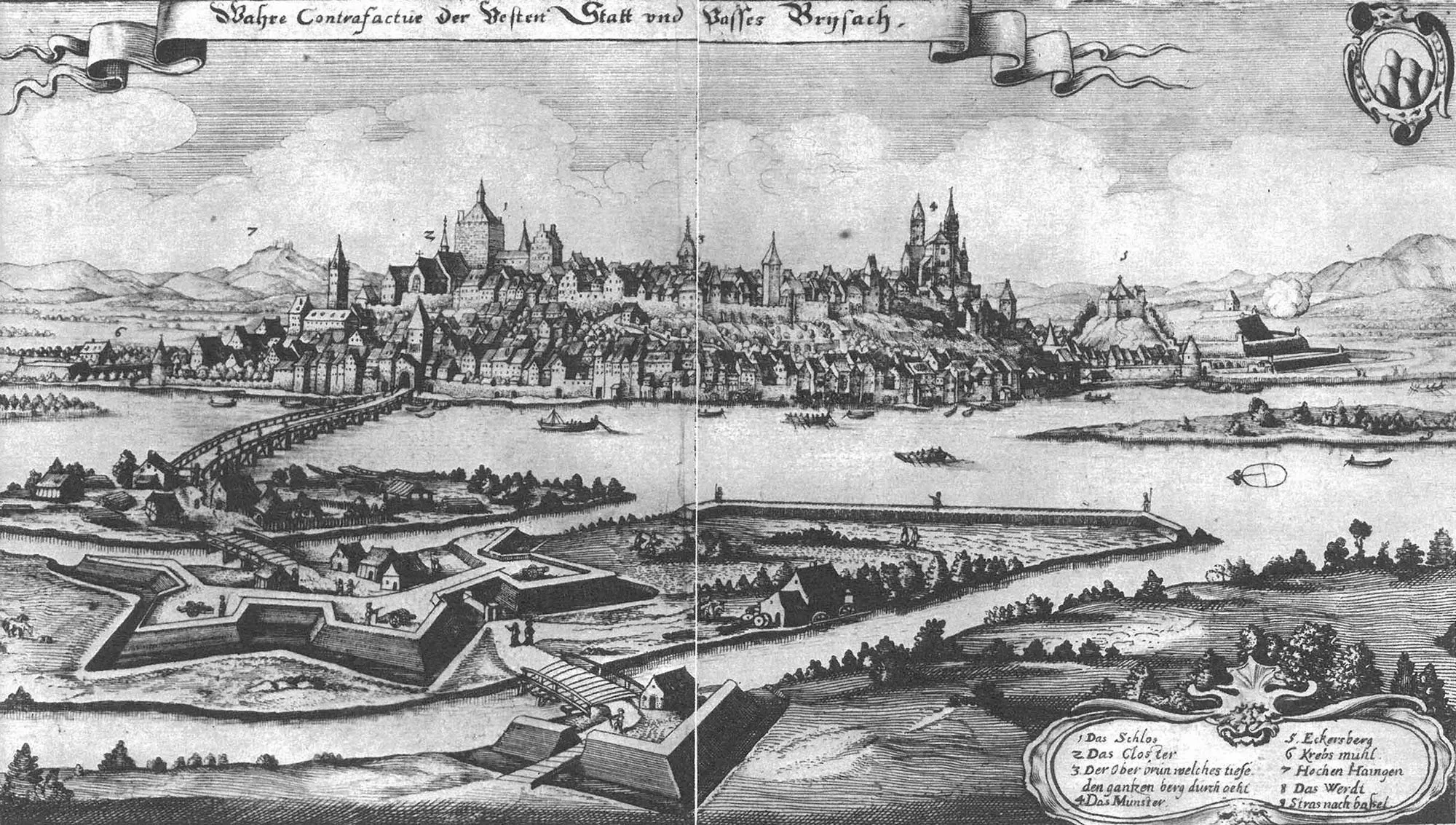
These were amazing entrepreneurs. Power people who can recognise, invest in and grasp opportunities. Starting with Johann Baptist Hau, the company's founder. Was it a coincidence that he became interested in Rudolf Erismann's factory in 1838? Where operations "had not been turned into reality for various reasons".
Perhaps: Because his daughter, Natalie Pauline, was interested in her father's former apprentice, Franz Joseph Müller. To help with the practicalities of love's young dream, Hau bought an interest in the wallpaper company. And so Erismann & Cie. was founded in Breisach am Rhein in 1838.
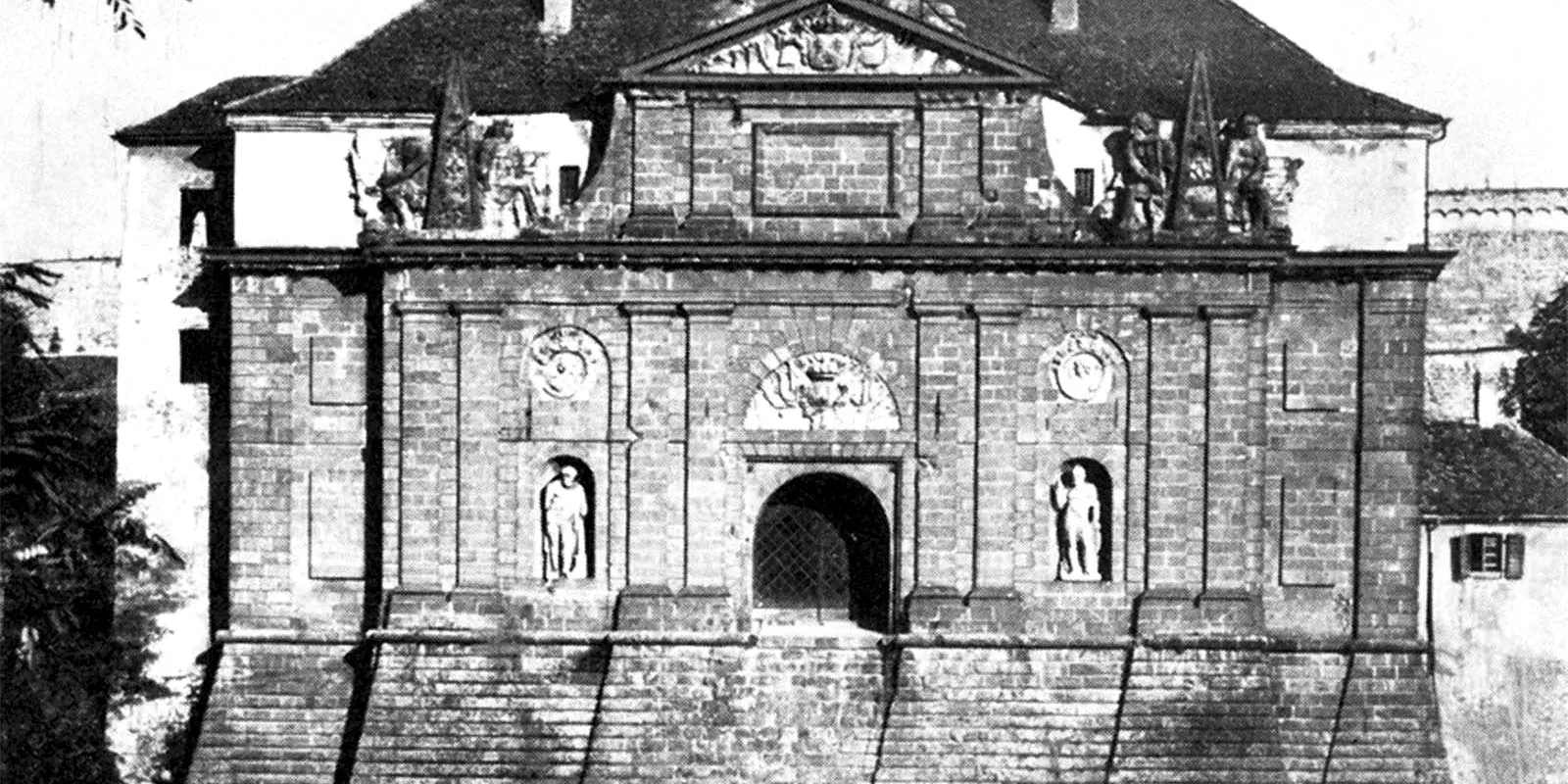
Originally the magnificent entrance gate to the French town of Breisach; built in 1678 by the great fortress builder Jacques Tarade on the basis of plans drawn up by Louis XIV's star architect, Marshal Vauban.
In fact, Erismann & Cie. produced wallpapers here from 1838 to 1858, until space became too tight. Today, the Rhine Gates houses the Local History Museum.
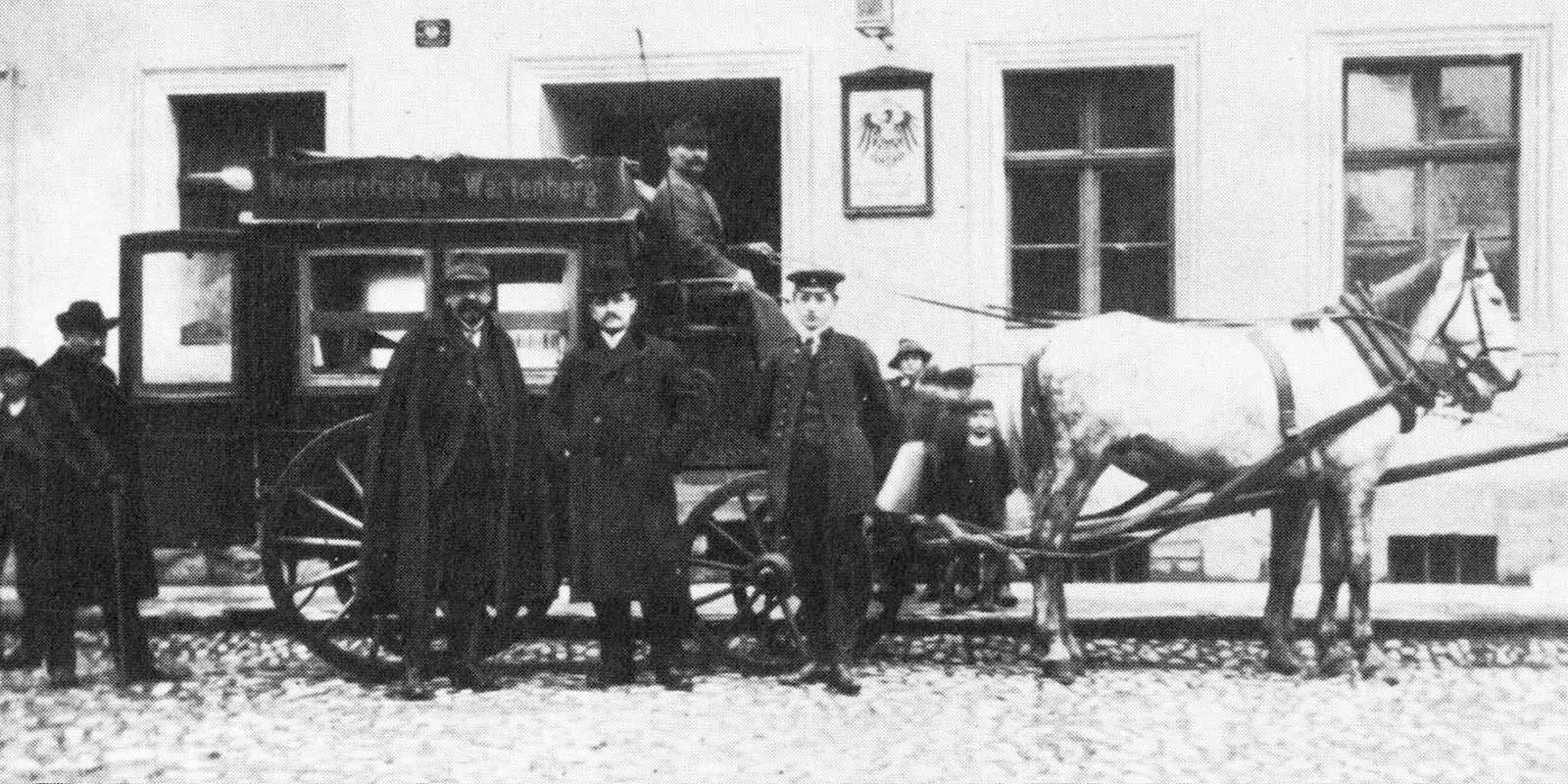
And how? By horsepower: in 1840/41, Franz Joseph Müller travelled throughout the German Customs Union area with wallpaper samples from Erismann & Cie. – in a horse-drawn carriage.
A "pit stop" where commercial travellers and young businessmen such as Franz Joseph Müller could take a break now and again.
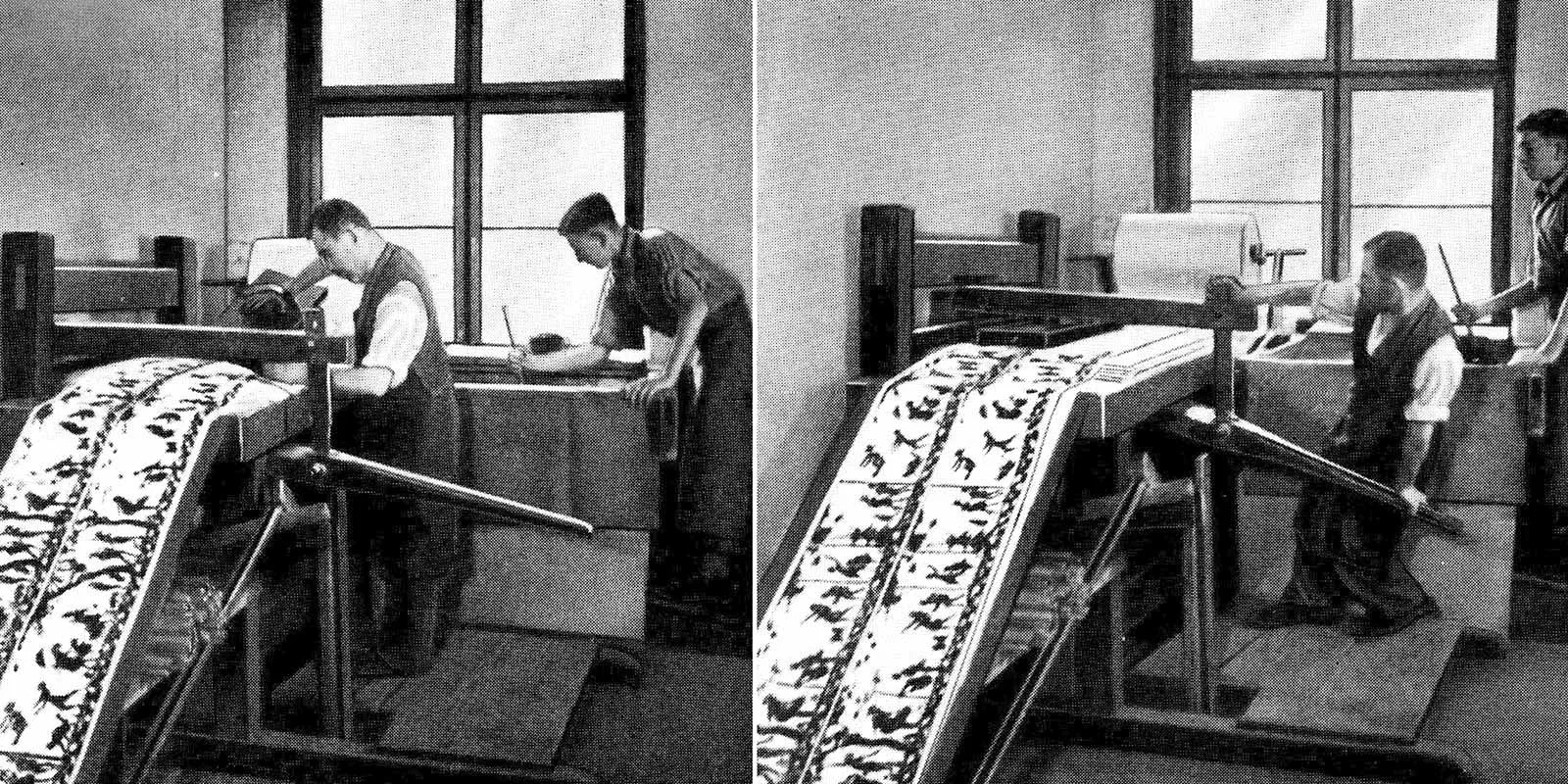
To start with, every wallpaper pattern was unique, because it was hand-painted. From this, the skilled workman made reproducible patterns by hand "à la planche", with a wooden model. He would print the strips of paper - also leather or fabric - piece by piece using the wooden template.
Total dedication at the hand printing machine in around 1848: Adjust the template, bring it down, repeat.
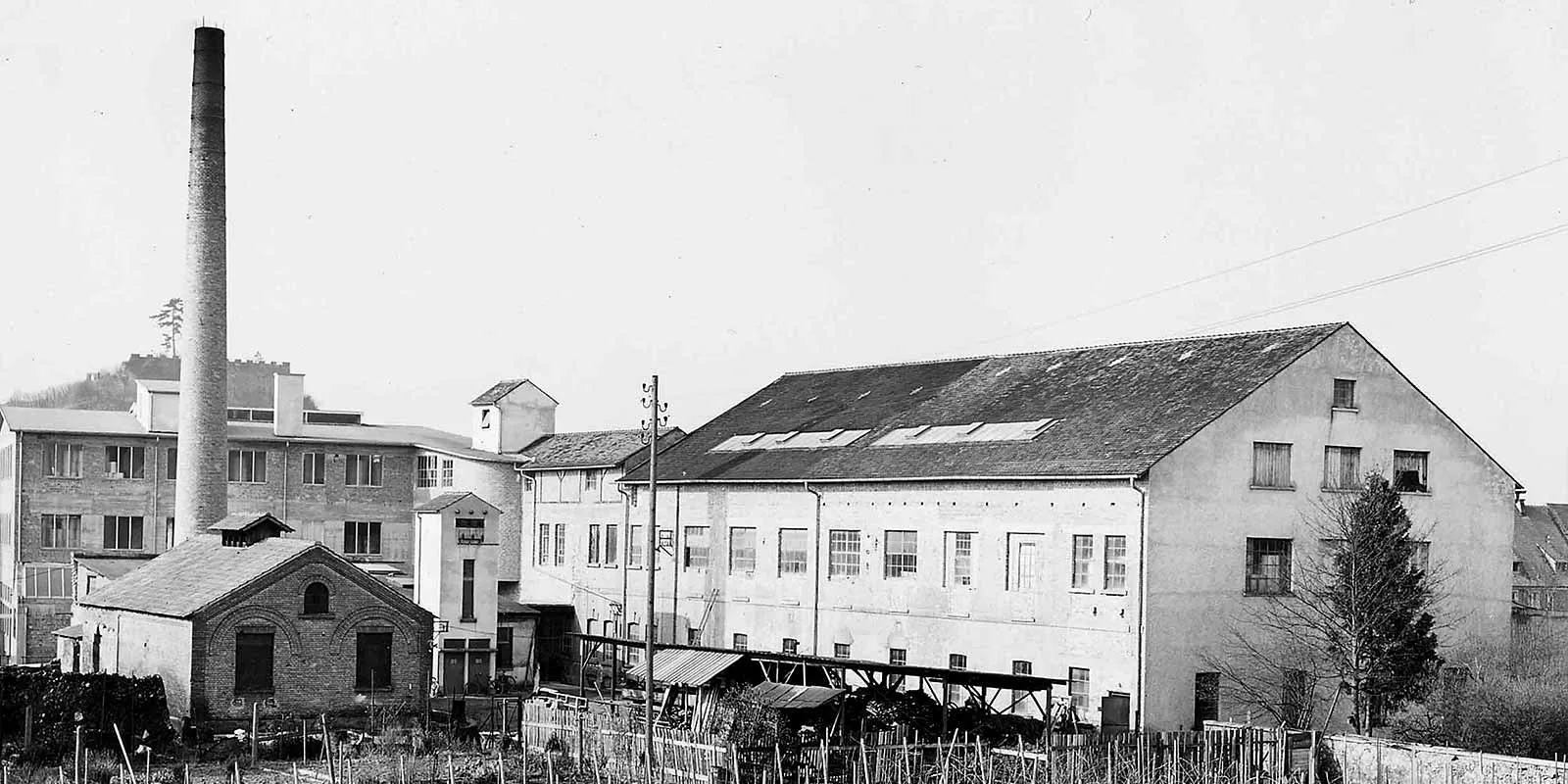
The Rhine Gate is not big enough any more. Under the guidance of Franz Joseph Müller, the hand printing factory is built in what is to become Richard-Müller-Strasse in Breisach.
The new building provides the right conditions for an epoch when wallpaper manufacturing was becoming increasingly mechanised.
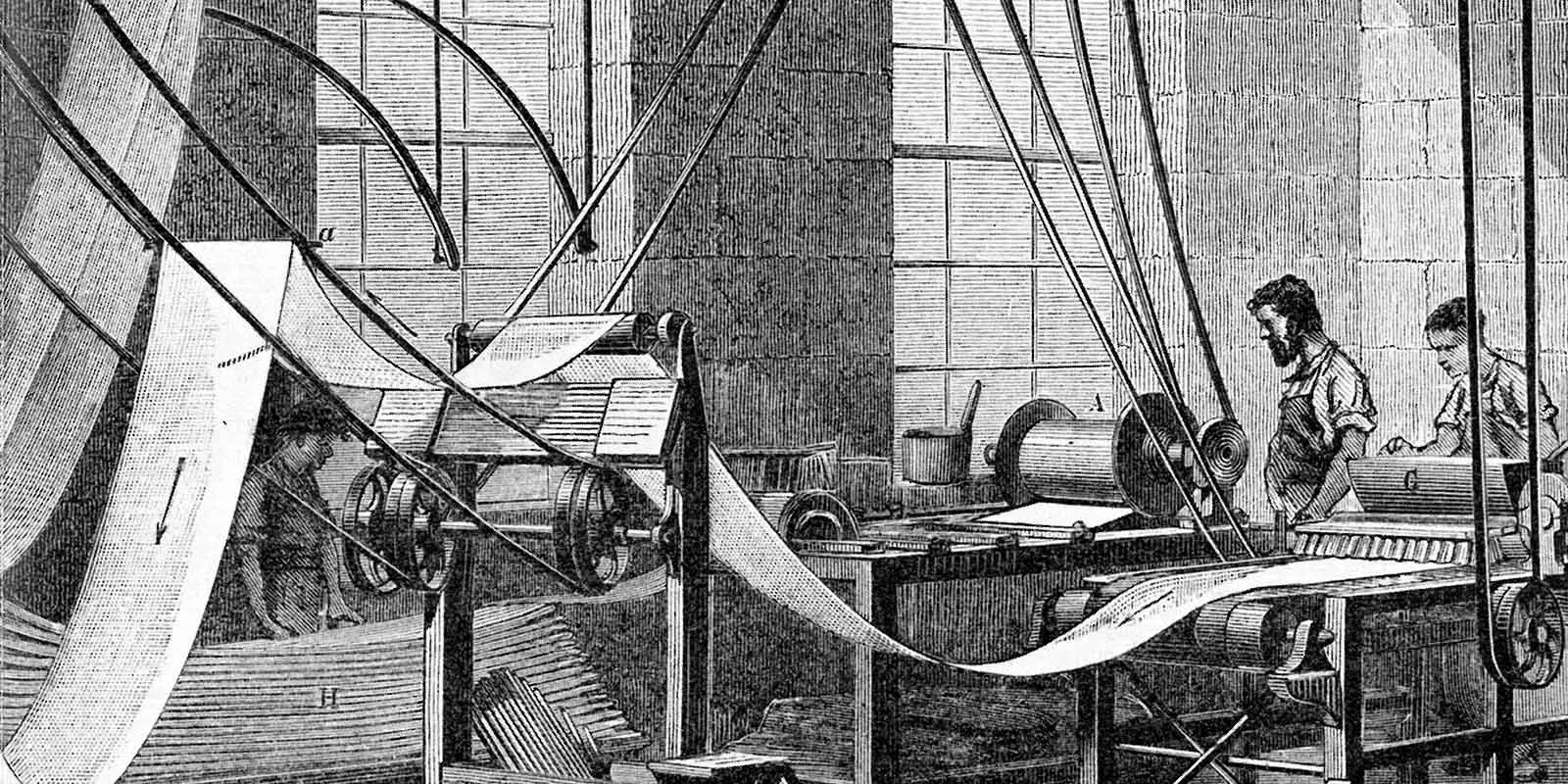
Machines are moving in everywhere. Even the production of wallpapers, which had been carried out by craftsmen not bound to guilds for around 150 years, is becoming increasingly mechanised. New markets are opening up. In Breisach, Franz Joseph Müller has recognised the new opportunities at an early stage.
The first machine based on a Parisian design is installed in 1862.
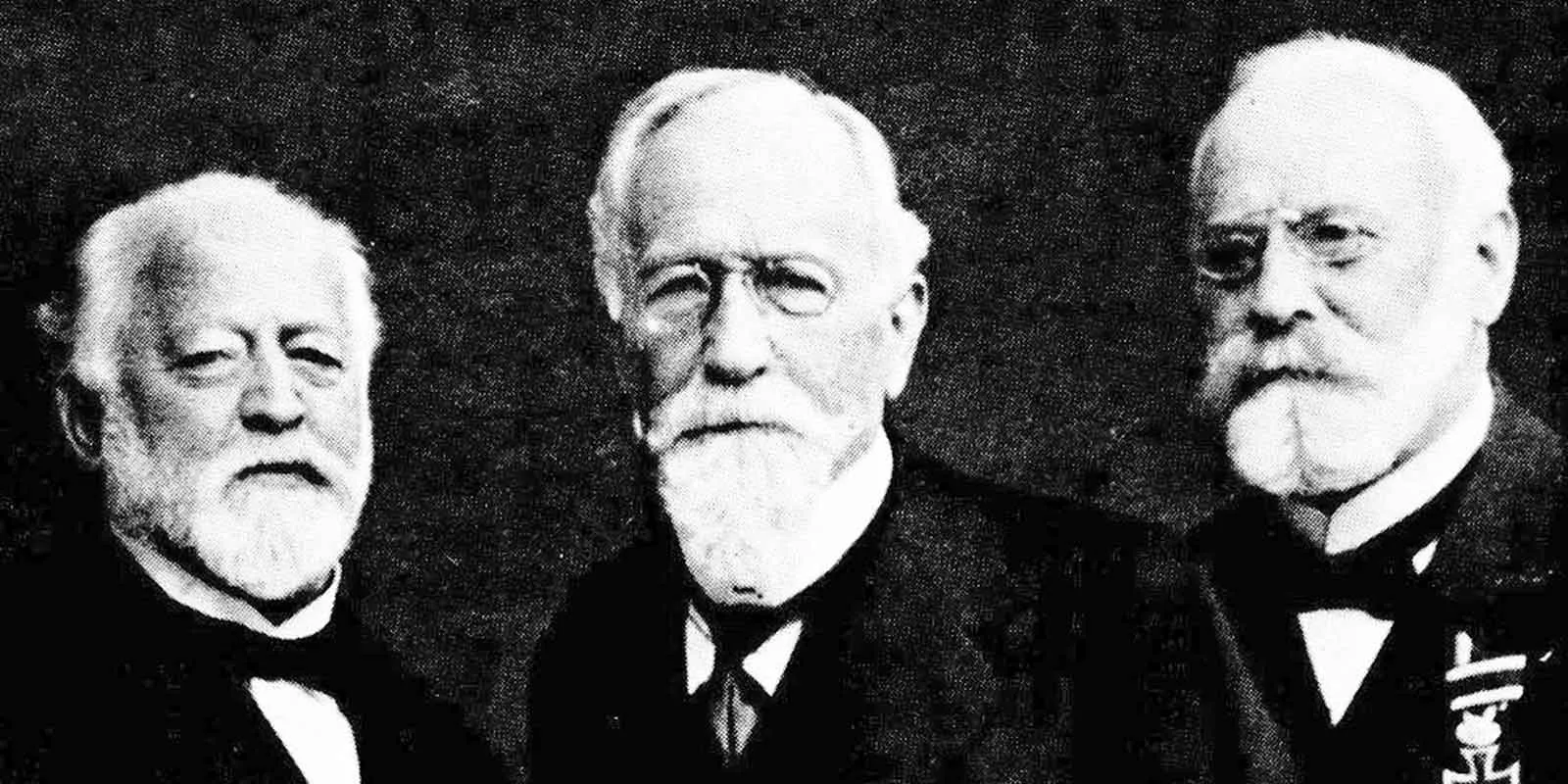
Wallpapers are fashion products. And fashion moves with the spirit of the times. At the end of the 19th century, developments were based in Europe - as with clothes too - on French models: the houses of the bourgeoisie in Paris and Strasbourg. Adolf and Hermann Müller were responsible for successfully embodying the spirit of the times at Erismann from 1878 onward.
They installed state-of-the-art technology. And the wallpapers became more and more colourful – with the first eight-colour printing machine in 1889. Emil Müller, the architect, also contributed to the overall success of the firm, by building the new printing hall for the company in 1897. The wallpaper business was flourishing.


